Removing an old shower or bathtub may seem simple from the outside, but behind the tile and fixtures lies a complex system that requires care. While this stage may seem straightforward, shower tub removal requires careful planning, precision, and proper preparation to protect your home and keep your project on schedule.
Before tearing out tile or loosening fixtures, it helps to understand what happens during shower demolition, how this step fits into a broader bathroom demolition, and when interior demolition may be part of the process.
This guide explains what homeowners can expect during shower tub removal, how to plan for a smooth demolition, and why working with experienced professionals ensures safe, clean results.
Why shower tub removal requires planning
A shower tub has more layers than most homeowners realize. Behind the finished tile, you’ll find waterproofing membranes, framing, drain lines, valves, and structural supports that all require precise handling during demolition. Rushing this stage may lead to cracked drywall, damaged plumbing, or unexpected issues that slow your renovation.
Builders often set tubs into tight-framed alcoves, wedging them between walls, which often makes removal challenging. In some cases, interior wall removal becomes necessary to access plumbing or create enough space to safely slide the tub out without harming your home’s structure.
Understanding what’s behind the walls also helps set expectations for the complexity of the demolition. Every tub and shower is a little different, but most include tile or wall panels, cement board or drywall, fasteners securing the base, and the framing that supports the surrounding enclosure.
The age of your home also plays a role. Older bathrooms may contain mortar-bed tile, cast-iron tubs, or outdated plumbing systems that require extra care during bathroom demolition. These materials are heavier, more rigid, and often more difficult to remove without affecting adjacent surfaces.
Builders use different materials and installation methods in every bathroom, so shower demolition rarely follows a one-size-fits-all approach. A well-managed demolition begins with a thorough assessment, controlled dismantling, and clean removal of materials. This creates a solid foundation for waterproofing, plumbing upgrades, and the installation of your new shower or tub.
How shower demolition affects the rest of your renovation
The demolition stage plays a major role in determining how smoothly the rest of your renovation progresses. If the shower or tub comes out cleanly, your plumber or contractor will begin the prep work immediately. When demolition causes damage, such as broken pipes, cracked tile, or damaged framing, your project will stall during the necessary repairs.
Careful, controlled demolition prevents these issues by protecting the surrounding walls, electrical wiring, plumbing, subfloor, and existing waterproofing. When you approach demolition methodically, you keep the surrounding structure intact, reducing the likelihood of unexpected repairs.
Step 1: Prepare the space
Start by clearing the bathroom of personal items so you have full access to the space. Once the room is empty, focus on protecting the areas that will remain in place. Turn off the water supply to the shower and tub, then shut off the electricity to any outlets in the work zone. Remove outlet covers, fixtures, and accessories that demolition might damage.
After that, cover the flooring, cabinetry, and counters with cloths or cardboard to shield them from falling debris or scratches.
Professional crews take preparation a step further by sealing off the bathroom with dust barriers. This level of protection is especially important during bathroom demolition, when tile fragments, drywall dust, and other materials can easily spread beyond the work area. Proper containment keeps the rest of your home clean and minimizes disruption.
Step 2: Evaluate whether interior walls influence the plan
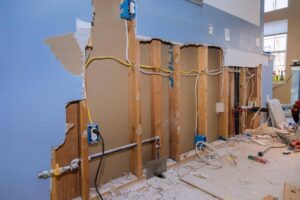
Tubs often sit between two or three interior walls, and each wall serves a different purpose. Some walls house plumbing lines, while others simply enclose the shower space. Understanding the role of each wall helps shape your overall demolition strategy and determines the complexity of the removal.
In many situations, interior wall removal becomes part of the process. You might need to open a wall to remove a cast-iron tub that’s too heavy to maneuver through the room, to reach plumbing or drain lines hidden behind tile, or to address mold or moisture damage that has developed out of sight.
Before taking down any wall, you must determine whether it is load-bearing. Cutting into or removing a structural wall without proper support can compromise the stability of your home. Professionals evaluate the wall type, framing, and load paths before making any adjustments, ensuring the demolition proceeds safely and efficiently.
Step 3: Address plumbing considerations
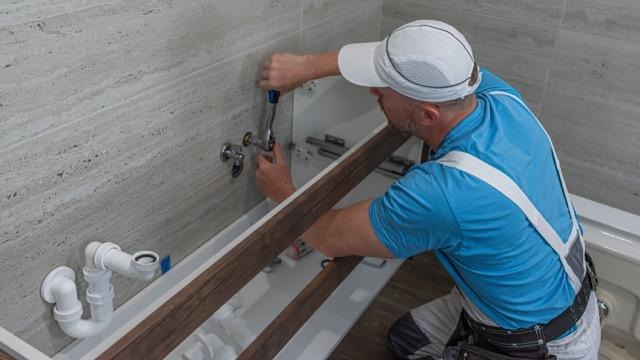
Behind your shower or tub lies a complex network of valves, supply lines, and drain components that all play a critical role in the operation. During shower demolition, you must handle these systems with precision to avoid leaks, structural damage, or unexpected setbacks.
Older plumbing may introduce additional challenges. Corroded, brittle, or improperly installed pipes can fail easily during bathroom demolition. When you uncover these issues early, you have the opportunity to upgrade or reposition components before proceeding with the remodel.
In some cases, reaching or repairing these lines requires partial interior wall removal, especially in tight spaces or older homes where plumbing is difficult to access.
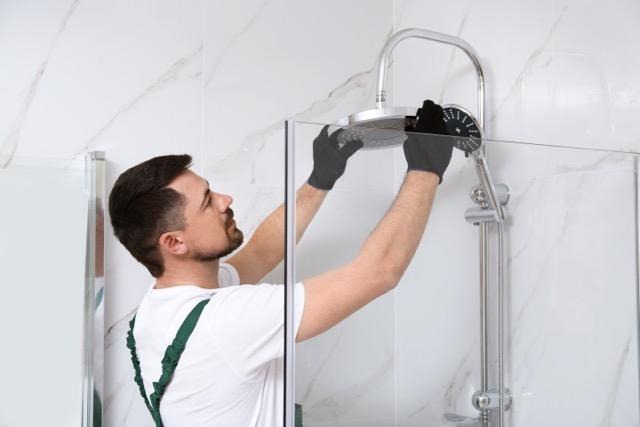
Step 4: Remove tile, wall materials, and surrounding surfaces
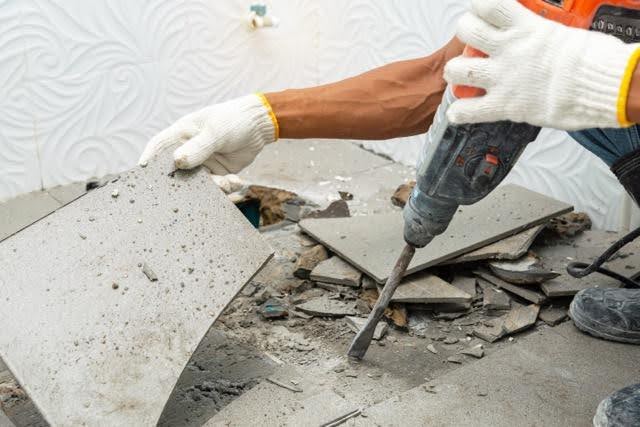
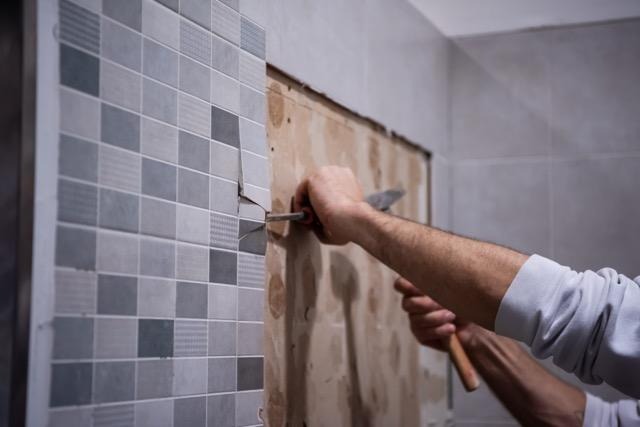
Removing the tile or wall panels around the shower or tub is often the most time-consuming part of shower tub removal. Tile adheres to either drywall or cement board using strong adhesives. Removing it requires careful scoring and controlled chiseling to avoid tearing the underlying surface.
Professionals approach this stage with precision. They work in sections, reducing vibration and preventing unnecessary wear and tear. During demolition, angles matter — a tool placed too aggressively can gouge the wall or crack nearby tiles that you may want to keep.
If the tile or panels attach directly to the framing, you may need to remove additional material. This is one of the most common situations where interior wall removal becomes part of the demolition plan.
Step 5: Remove the tub or shower base
Once you remove the surrounding materials, you take out the tub or shower base. The approach depends on the material. Fiberglass and acrylic units often come out in one piece, while steel tubs may require careful handling around rusted connections. Heavier porcelain or cast-iron tubs typically need to be broken into sections for safe removal.
Throughout a demolition, crews take steps to protect the flooring, nearby walls, and the framing that supports the bathroom. Heavy tubs can easily damage the subfloor or surrounding structure. Experienced teams handle them with controlled movements and protective measures at every stage.
Step 6: Inspect for hidden issues
Once the demolition team removes the tub and surrounding walls, they can examine the underlying structure. This stage often reveals issues that were previously undetectable, such as moisture or mold behind the walls, rotting subfloor panels, failing vapor barriers, leaking pipes, or damaged framing.
After the demolition team removes the tub and surrounding walls, they examine the underlying structure. This is one of the advantages of thorough demolition — it ensures the next phase of your project starts with a clean, stable foundation rather than covering up underlying damage.
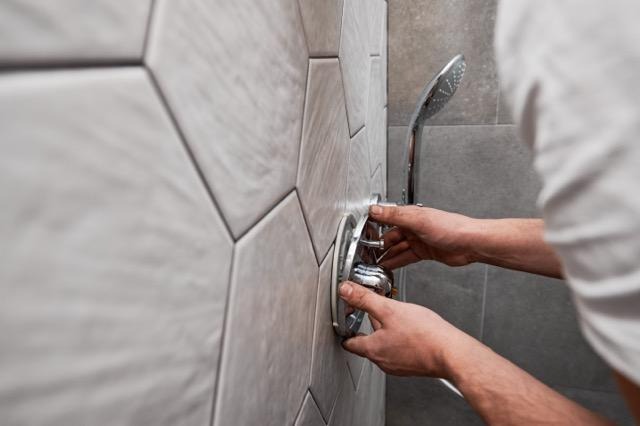
Step 7: Remove debris safely and cleanly
A complete shower tub removal generates a significant amount of debris. Managing this material properly helps maintain a safe and efficient demolition environment.
Professional crews sort and remove debris as they work, ensuring the space stays organized and free of hazards. They rely on dust containment systems and proper disposal methods to keep your home clean and protect indoor air quality.
When to hire a professional demolition team
Some shower tub removals are straightforward, but many require specialized tools, plumbing expertise, and structural evaluation. Situations involving cast-iron tubs, tile that spans multiple walls, or alcoves with tight clearances often demand professional skill.
Hidden issues, such as mold, water damage, or outdated plumbing, further complicate the process. Larger renovations, which involve complete bathroom demolition or potential interior wall removal, benefit from the oversight of trained demolition experts.
When you want to protect surrounding walls, fixtures, and structural components, hiring a professional team becomes the safest and most efficient choice.
Build confidently with Cutting Edge Demolition
At Cutting Edge Demolition, every project begins with a detailed assessment of the bathroom’s plumbing, framing, and structural layout. Our team performs controlled demolition, manages all aspects of the broader demolition plan, and handles any necessary wall removal with precision.
We focus on safety at every stage, using dust containment, protective coverings, and clean work practices to keep your home secure. As we dismantle tile, fixtures, and tub materials, we inspect underlying conditions and handle debris quickly and efficiently, ensuring the workspace remains organized and ready for the next phase of construction.
With our professionals managing the demolition, your bathroom moves smoothly into the rebuilding stage — clean, stable, and free of hidden issues. Shower tub removal is more than tearing out old materials; it provides the foundation for a successful renovation.Whether your project requires basic shower demolition, full bathroom demolition, or strategic interior wall removal, contact Cutting Edge Demolition to deliver safe, precise, and streamlined results.
kampungbet