Fireplaces add charm and character to a home, but when they no longer serve your lifestyle or design goals, removing them opens the door to new possibilities. Whether you want to reclaim floor space, modernize an outdated room, or eliminate an inefficient heating system, fireplace removal is a major renovation task that requires careful planning.
Understanding how fireplace removal works helps you protect your home, avoid unnecessary damage, and set the stage for a smooth renovation. This guide explains what to expect, why dust control matters, and when chimney removal becomes part of the process, giving you the insight you need to begin with confidence.
Why fireplace removal requires planning
Removing a fireplace involves far more than taking out a mantel or detaching a few bricks. Fireplaces often connect to several major systems within a home, including framing, venting, gas lines, and sometimes even structural supports.
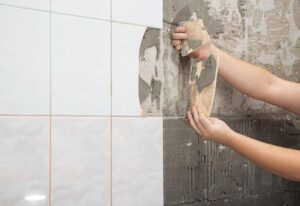
In most cases, removing a fireplace will start with removing the tiles that attach it to the wall. Techniques like dustless tile removal keep debris contained and prevent dust from spreading into adjacent rooms or HVAC systems. Dust control is critical during fireplace removal, especially when working with materials that might break apart under pressure.
If the fireplace is attached to a chimney, more planning is required. Chimney removal is handled in stages as it extends through the floor, attic, and roof. Crews do this to maintain safety inside and outside the home. The right plan protects your home’s structure and ensures a clean, safe environment throughout the demolition process.
Understanding what’s behind your fireplace structure
To understand why fireplace removal requires professional oversight, you must first understand how fireplaces get built. A typical masonry fireplace consists of a firebox, flue, hearth, smoke chamber, and chimney, all made from brick, stone, or firebrick. These materials extend deep into the wall and sometimes several stories upward, depending on the home’s design.
Prefab fireplaces are lighter but still include a firebox, framing supports, venting pipes, and often tile or stone surrounds. Many homeowners underestimate the strength of the bond between tile and stone and the backer board or drywall. Without controlled demolition, removing these elements may damage surrounding walls or create significant dust.
Why safe fireplace removal matters
Safety is the most important reason to approach fireplace removal with care. Removing heavy masonry without proper technique can cause cracking in the framing, damage to the flooring, or compromise the structural support. If the fireplace includes a gas line, improper disconnection may lead to leaks that put your home at risk. Electrical connections for inserts or blower systems also require safe handling.
Chimneys introduce another layer of complexity. Removing it improperly can destabilize these areas or leave behind unsealed openings that expose your home to moisture. Chimney removal also involves working from above, where loose brick or mortar debris may cause injuries or damage to the roof.
Step 1: Start with a structural and mechanical assessment
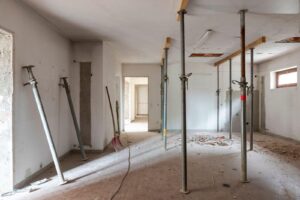
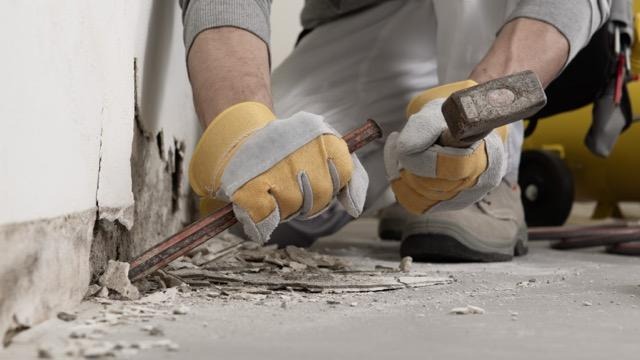
A thorough assessment lays the foundation for safe demolition. Professionals begin by examining the fireplace’s construction, its connection to walls or flooring, and its relationship to the chimney. They inspect the framing to determine whether the fireplace contributes to structural support or sits within a complex enclosure.
Gas lines, electrical components, and venting systems also require attention. Shutting off utilities and capping lines ensures a safe work environment. This assessment determines the best approach to fireplace removal and whether chimney removal is necessary to complete the project.
Tile or stonework surrounding the fireplace often serves as the first step in the demolition process. Using dustless tile removal equipment protects the rest of the home while allowing workers to see how the surface materials attach to underlying layers.
Step 2: Prepare the workspace for clean, safe demolition
Preparation is essential for a successful demolition. Workers begin by removing décor and furniture from the surrounding area, then protecting floors and nearby walls. They seal the room with plastic sheeting or use negative air machines to control dust.
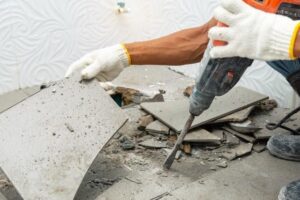
Dustless tile removal systems come into play again as crews begin removing hearth tile, stone surrounds, or brick veneers. These tools collect dust at the source and prevent debris from traveling through the home’s ventilation system.
Step 3: Removing the fireplace surround and hearth
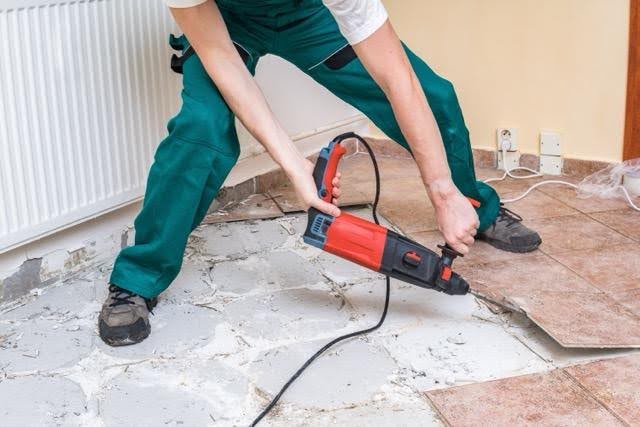
With the workspace sealed and utilities secured, the demolition begins at the surface. Workers carefully remove tile, stone, or brick from the fireplace surround. Depending on how firmly installers set these materials, removal can range from straightforward to labor-intensive. Mortar beds and adhered stone often require slow, controlled chipping to prevent damage to the wall behind them.
The approach to removing surrounding material influences the entire sequence of fireplace removal. Proper technique prevents unnecessary repairs later, especially when preparing the space for reconstruction.
Step 4: Dismantling the firebox and internal structure
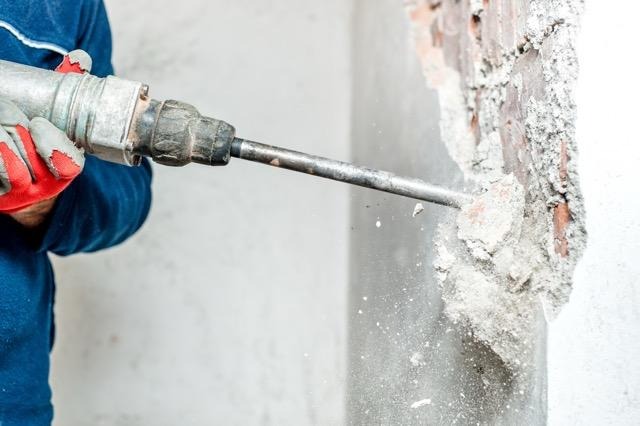
Removing the firebox requires careful attention to weight, construction materials, and internal supports. In a prefabricated unit, workers disconnect venting pipes, unfasten the firebox, and remove it in sections. Masonry fireboxes require a different strategy. Firebrick, concrete lintels, and refractory mortar create a structure that must be dismantled brick by brick to prevent collapse.
Internal components may also be integrated with wall framing or chimney structures. As the firebox comes apart, crews assess the integrity of the surrounding framing and support systems. Slow, methodical removal protects the home’s interior and minimizes the amount of debris.
Step 5: Understanding when chimney removal is needed
Chimney removal becomes necessary when the fireplace no longer functions, when the chimney is damaged, or when the homeowner plans a complete redesign of the space. In some cases, the chimney remains structurally sound and can stay in place. In others, leaving it creates maintenance issues or obstructs future renovation plans.
For homes requiring chimney removal, workers start at the top, removing brick or stone layer by layer. They protect roof surfaces, attic framing, and exterior walls as they progress. After crews remove the chimney, they patch and seal the roof opening to protect the home from weather and moisture.
Step 6: Managing debris and dust control
Removing a fireplace generates a significant amount of debris. Brick, tile, stone, firebrick, metal components, and chimney materials can accumulate quickly, making clean, organized removal essential. Professional crews sort debris as they work, clearing heavy materials before they create safety hazards.
Dust control throughout the process is essential, especially when working with masonry. Dustless tile removal systems help capture airborne particles at the source, protecting indoor air quality and keeping the home clean during what would otherwise be a messy process.
Step 7: Inspecting the wall cavity and surrounding structure
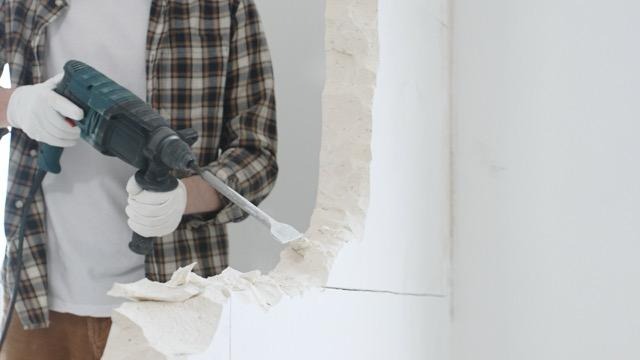
Once the fireplace and chimney components are gone, crews examine the space behind the finished surfaces. This inspection often reveals framing issues, moisture damage, outdated wiring, or insulation gaps that weren’t visible before demolition. Identifying these conditions helps homeowners plan repairs before reconstruction begins.
If the chimney passes through upper floors or an attic, crews may need to inspect those areas as well. Chimney removal often exposes voids that crews need to reframe, insulate, and seal to maintain structural integrity and energy efficiency.
Step 8: Restoring the space after demolition
Restoration begins once the space is fully cleared and inspected. Crews repair or replace framing, rebuild subfloor sections, patch roof decking, and install new drywall where needed. Depending on your renovation plans, this step may include prepping the area for a media wall, built-in shelving, or a new heating system.
Because dustless tile removal and controlled demolition keep the space clean, rebuilding moves forward more quickly. With the old fireplace gone and the space restored, homeowners have the freedom to create a modern layout that fits their lifestyle.
When homeowners should hire professionals
Some fireplace projects may seem manageable, but most involve structural connections, heavy materials, or mechanical systems that require professional handling. Fireplaces built tightly into alcoves, surrounded by tile, or connected to active chimneys demand careful planning. Homes with mold, water damage, or aging plumbing near the fireplace also benefit from expert support.
Demolition teams bring the tools, training, and expertise to remove fireplaces safely and efficiently. Their ability to manage heavy debris, protect structural components, and control dust makes the renovation process smoother from start to finish.
How Cutting Edge Demolition ensures safe, efficient fireplace removal
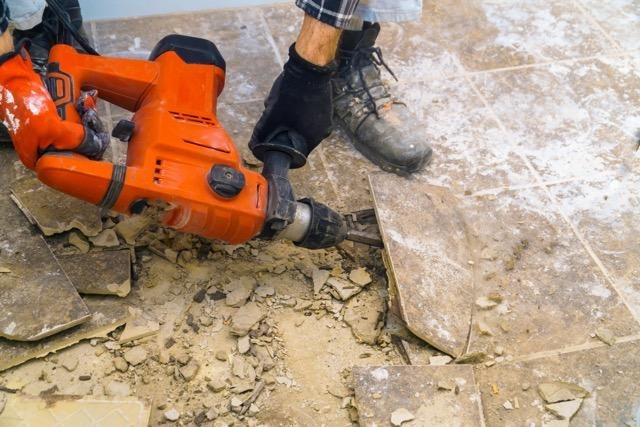
At Cutting Edge Demolition, every project starts with a thorough assessment of the fireplace, including its structural role and connections to utilities and surrounding walls. Our team performs controlled fireplace removal, manages every phase of chimney removal, and uses dustless tile removal systems to keep your home clean throughout the process.
We prioritize safety, precision, and efficiency from start to finish. By protecting your home’s interior, handling heavy debris responsibly, and coordinating with remodelers, we ensure your renovation begins with a clean and stable foundation.
Whether your renovation involves fireplace removal, chimney removal, or precision dustless tile removal, contact Cutting Edge Demolition for clean, reliable results you can trust. Our experienced team brings the skill, planning, and attention to detail needed to protect your home and keep your project moving forward without unnecessary delays.
kampungbet