Professional demolition services help in fire recovery by removing damaged materials, clearing debris, protecting unaffected areas, and preparing the property for repair or rebuilding. After a fire, controlled demolition provides safer access for inspectors, restoration crews, and contractors while advancing the recovery process on a cleaner, more organized site.
Fire recovery starts with careful demolition
Fire damage spreads through a property in different ways. Heat, smoke, water, and debris may affect walls, flooring, cabinets, roofing, siding, framing, and other materials beyond the main fire area. Before repairs or rebuilding begin, a demolition crew carefully removes damaged materials and clears the site for the next phase.
That’s where the right demolition plan makes a difference. A trained crew carefully removes damaged materials, handles interior tear-out or exterior demolition when needed, protects the parts of the property that can stay, and prepares the site for restoration, remodeling, or reconstruction.
Why demolition is part of fire recovery
Fire recovery often starts before rebuilding. Once the immediate emergency is over, demolition helps remove damaged materials, open affected areas for inspection, and clear debris that slows down repairs.
Professional demolition services may include selective removal, interior tear-out, exterior demolition, debris haul-off, and site preparation for the contractors who come next. Not every project requires full demolition. In many cases, controlled removal is enough to turn a damaged area into a cleaner, more workable site for fire recovery.
How professional demolition supports the recovery process
A good demolition plan starts with a clear look at the affected areas. Before removal begins, the crew identifies what needs to come out, what needs protection, and the work sequence.
Next, the scope is defined. Professional demolition services identify which materials to remove, how to handle debris, and how to leave the site ready for restoration, repair, or rebuilding. This helps reduce confusion when adjusters, inspectors, restoration contractors, electricians, plumbers, or builders are involved.
Once the plan is in place, the crew protects surrounding areas, establishes access paths, and separates affected spaces from unaffected areas that don’t require demolition.
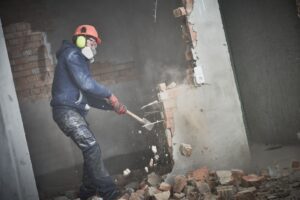
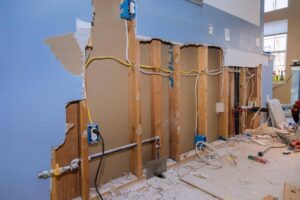
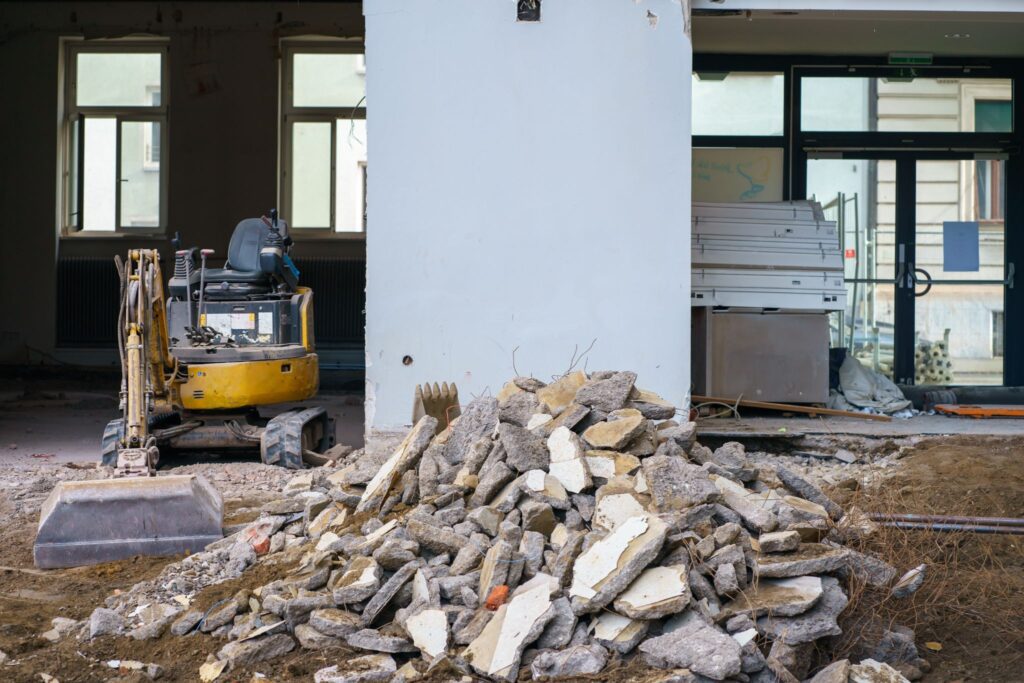
Then, the crew removes damaged materials in stages. This may include drywall, insulation, flooring, cabinets, trim, fixtures, ceiling materials, siding, decking, or other fire-damaged components. Debris is loaded out and hauled off to make the property easier to access.
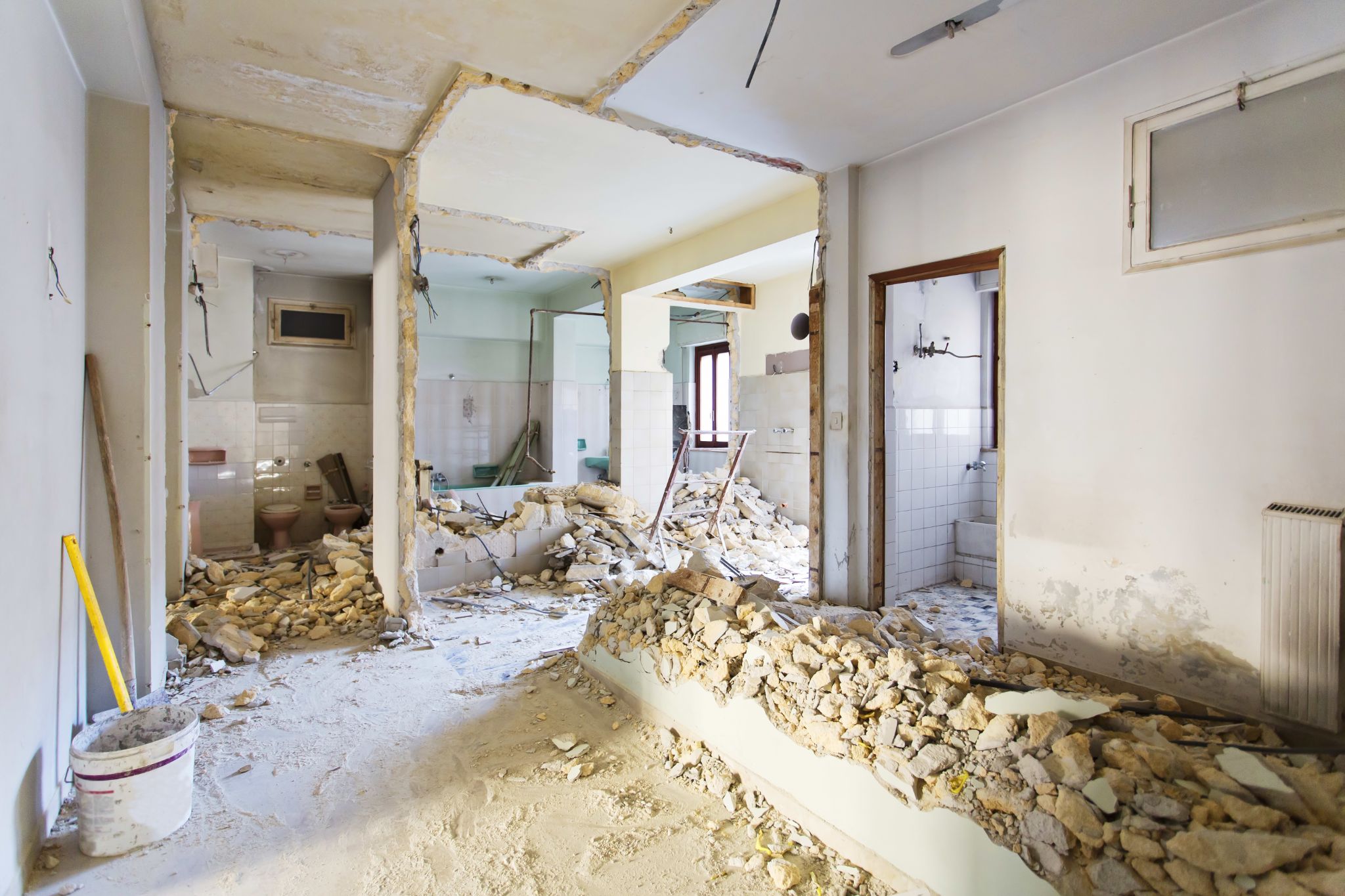
By the end, fire recovery moves forward with less clutter, clearer access, and a better starting point for repair or rebuilding.
Where fire damage demolition may be needed
Fire damage may affect the inside, outside, or both. Interior demolition may include removing smoke-damaged drywall, water-damaged flooring, burned cabinets, trim, ceiling materials, fixtures, or insulation.
Exterior demolition may be needed when fire affects siding, fascia, soffit, roofing edges, decks, porches, garages, or attached structures. The goal isn’t always to remove everything. In many fire recovery projects, selective demolition removes damaged materials while protecting and organizing the rest of the property.
Why professional demolition helps after a fire
Professional demolition services make the recovery process clearer, safer, and easier to manage. After a fire, property owners often face damaged materials, debris, smoke residue, and water damage, along with uncertainty about what to do next. A controlled demolition process helps bring structure to that situation.
Key benefits include:
- Controlled removal: Damaged materials are removed in a planned sequence rather than through rushed tear-out.
- Protection for what stays: A careful crew works around areas that don’t need demolition.
- Cleaner access: Inspectors, adjusters, restoration crews, and builders can better see affected areas.
- Debris haul-off: The crew removes burned, broken, or water-damaged materials from the property.
- Better project flow: The next contractor starts with a cleaner work area.
- Clearer expectations: A defined scope shows homeowners what the crew will remove and why it needs to come out.
- Support for partial damage: Selective demolition helps avoid unnecessary material removal.
In short, professional demolition services help move the property from damage and debris toward a cleaner starting point for the next phase of fire recovery.
Common mistakes to avoid after fire damage
After a fire, it’s natural to want the property cleaned up quickly. But moving too fast can create problems, especially when crews start demolition before documenting the damage or defining the scope.
Common mistakes include:
- Removing materials too soon: Photos, inspections, and insurance documentation should usually happen before major removal begins.
- Assuming everything has to come out: Some properties need full demolition, but many only need selective removal. Taking out more than necessary increases cost and creates more debris.
- Overlooking water damage: Flooring, drywall, cabinets, and insulation can be affected by firefighting water even if flames didn’t reach those areas.
- Missing exterior damage: Siding, roof edges, soffit, fascia, decks, porches, and exterior wall sections may all need evaluation after a fire.
- Trying to handle heavy debris alone: Fire-damaged materials are difficult to remove, load, and dispose of properly. Demolition services bring the labor, equipment, and process needed to clear the site and prepare it for the next phase.
Why debris handling needs a clear plan
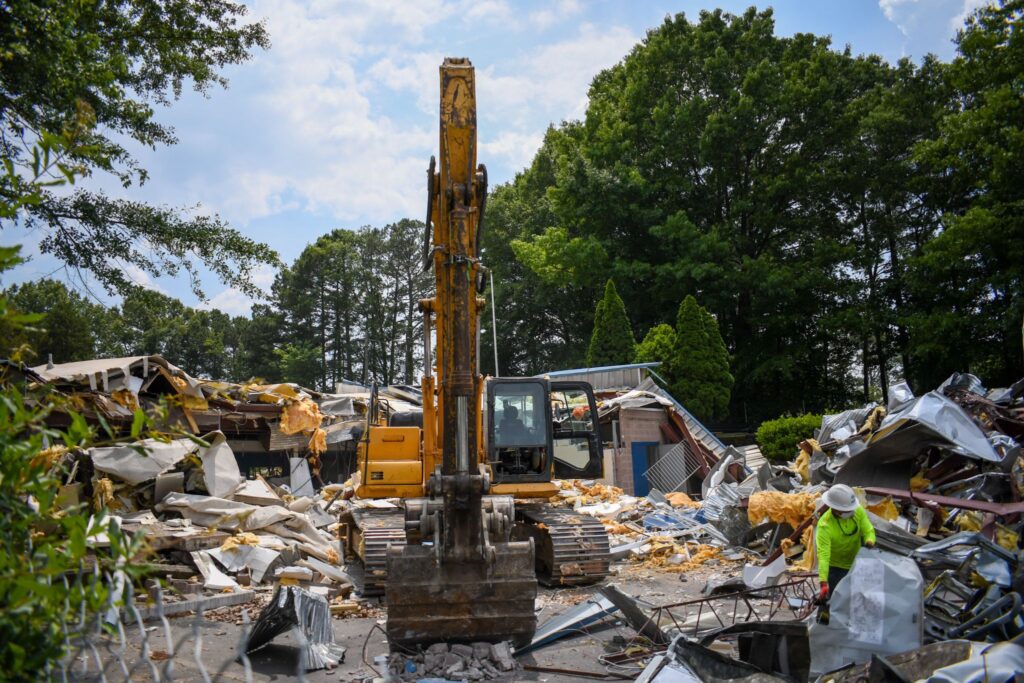
Fire recovery often leaves behind a messy mix of damaged materials. With a clear debris plan, crews can remove materials in the right order, make the site easier to navigate, and prepare the property for the next phase.
- Sharp or unstable materials: Broken glass, exposed fasteners, damaged framing, metal, roofing materials, and loose building components make the site harder to navigate.
- Wet or damaged materials: Firefighting water affects drywall, flooring, cabinets, insulation, and other materials, even outside the main burn area.
- Dust, ash, and soot: Cleanup disturbs particles, so debris should be handled with care and moved in a controlled way.
- Older building materials: In older homes, damaged materials may require additional evaluation if lead-based paint or asbestos-containing materials are present.
- Exterior demolition areas: Damaged siding, roofing edges, decks, porches, and attached structures may affect access around the property.
- Cleanup and haul-off: Organized haul-off helps turn a damaged area into a cleaner, more workable site.
- Worker and site safety: CDC/NIOSH guidance on fire cleanup notes that workers may face hazards after a fire, including unstable structures, hazardous materials, heavy equipment, and electrical hazards.
Tools and recommendations for post-fire demolition planning
Homeowners help the process move more smoothly by asking the right questions before demolition begins.
Helpful steps include:
- Take photos before removing damaged materials.
- Coordinate with your insurance provider, inspector, or restoration team before major demolition.
- Ask for a clear demolition scope.
- Confirm the materials the crew will remove.
- Ask the crew how they’ll protect unaffected areas.
- Confirm whether the crew includes debris haul-off and cleanup.
- Discuss whether interior tear-out, exterior demolition, or both are needed.
- Ask how the crew will leave the site for the next contractor.
A strong plan keeps fire recovery focused on the next step. The crew needs to remove damaged materials and leave the property ready for repair, restoration, or rebuilding.
FAQ
What role does professional demolition play after a fire?
Professional demolition removes damaged materials, clears debris, and prepares the property for repair or rebuilding. It may include selective tear-out, exterior material removal, cleanup, and haul-off.
Do all fire-damaged homes need full demolition?
No. Many homes only need partial or selective demolition. The right scope depends on the damage, inspection findings, repair plans, and what parts of the property remain.
What materials does a crew remove after a fire?
Common materials include drywall, insulation, flooring, cabinets, trim, fixtures, ceiling materials, siding, roofing sections, decks, and debris affected by heat, smoke, or water.
When is exterior demolition needed after fire damage?
Exterior demolition may be needed when fire damages siding, roof edges, soffit, fascia, decks, porches, garages, or attached structures.
Should demolition happen before or after insurance documentation?
Homeowners should usually document damage and coordinate with their insurance provider before major demolition begins. A clear scope helps keep the process organized.
How does demolition help the next contractor?
Demolition clears damaged materials, opens access to affected areas, removes debris, and leaves the site cleaner for restoration, repair, or rebuilding crews.
Prepare your property for the next phase of recovery with Cutting Edge Demolition
After a fire, demolition is often the step that helps the project move from damage toward repair. With the right crew, you can carefully remove damaged materials, haul off debris, and prepare the site for what comes next. If your property needs controlled demolition after fire damage, contact Cutting Edge Demolition, and we’ll discuss the scope and prepare the space for the next phase.