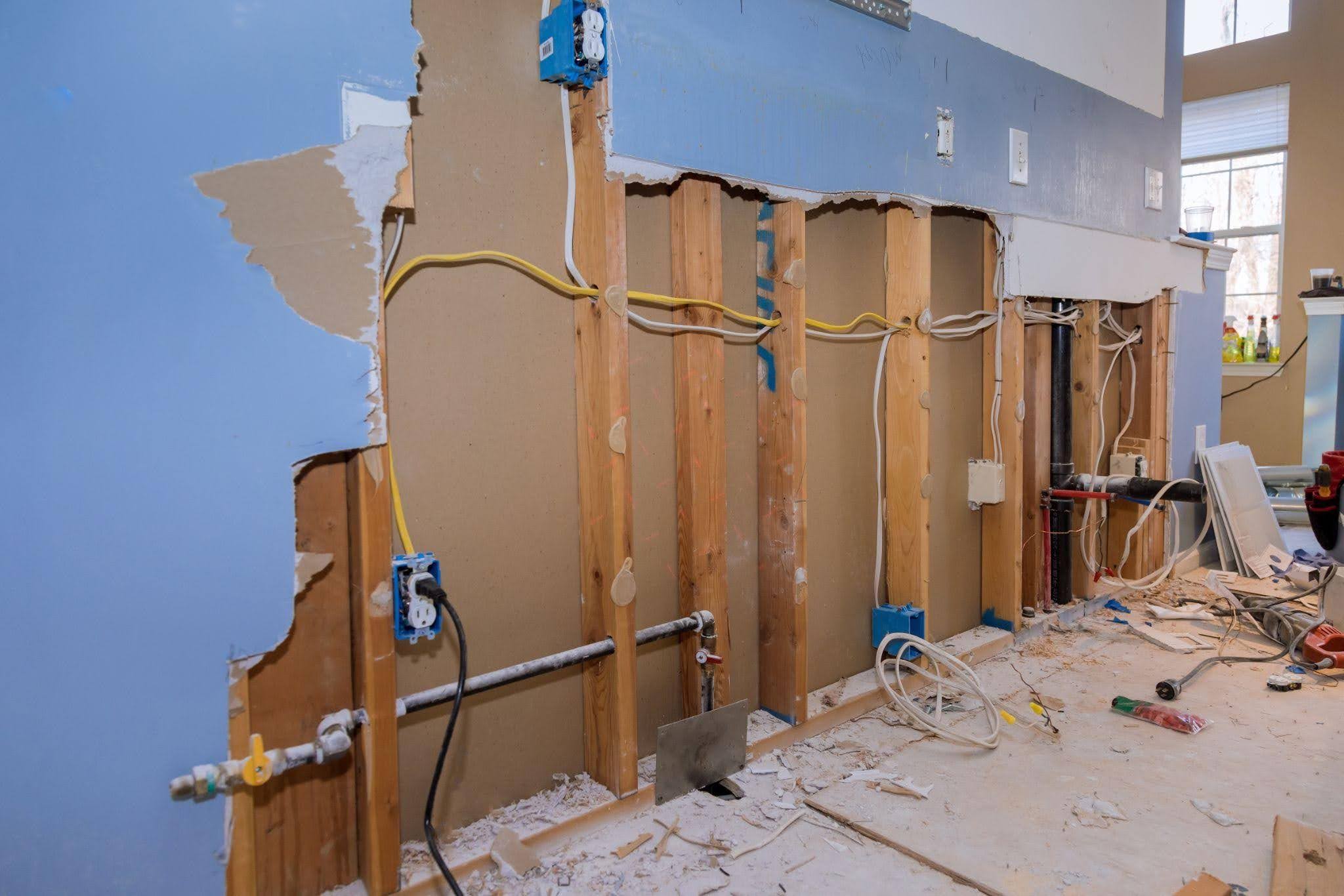
The demolition phase of a renovation includes site prep, controlled removal, debris handling, cleanup, and a clear handoff to the next stage of the project. Homeowners should expect noise, dust, temporary disruption, and possible hidden issues, but a professional crew should keep home renovation demolition organized, protective, and focused on what comes next.
Demolition that prepares the space for what’s next
Home renovation demolition removes the old materials so the next phase can start on a cleaner footing. Depending on the project, the crew may handle interior demolition, exterior demolition, or both, removing cabinets, flooring, walls, fixtures, siding, and other materials.
A clear demolition plan keeps the process controlled. It helps the crew protect what stays, manage debris, and prepare the space for the remodel ahead. From there, the next step is understanding what the demolition phase actually includes.
What the demolition phase includes
The demolition phase removes old, damaged, outdated, or unwanted materials before rebuilding or installation begins. That may include cabinets, tile, flooring, drywall, fixtures, countertops, siding, decking, concrete, or exterior finishes.
A clear scope keeps the work controlled. The crew should know what comes out, what stays, and where extra care is needed. Whether the project involves interior, exterior, or both, the goal is to create a cleaner starting point for the next phase.
How demolition crews prepare the site
Good demolition starts with prep. The crew should confirm the scope, identify what needs protection, and plan how to remove debris from the property.
Site prep may include covering floors, protecting nearby finishes, isolating the work area, and checking utility connections before removal begins. This helps keep home renovation demolition more controlled and gives homeowners a clearer idea of what to expect.
What removal looks like step by step
Removal should happen in stages. That approach helps keep the job organized and gives the crew more control over dust, debris, access, and site conditions.
Site protection and access setup
Before removal begins, the crew protects the areas around the work zone. This may include floor coverings, dust-conscious barriers, protected walkways, and a planned debris path. The goal is to keep the work contained and protect non-demo spaces as much as possible.
Soft removals
The crew usually starts with lighter, easier-to-remove items. These may include doors, trim, fixtures, hardware, appliances, shelving, cabinets, mirrors, and loose materials. This stage clears the space and makes the larger removal work easier to manage.
Surface material removal
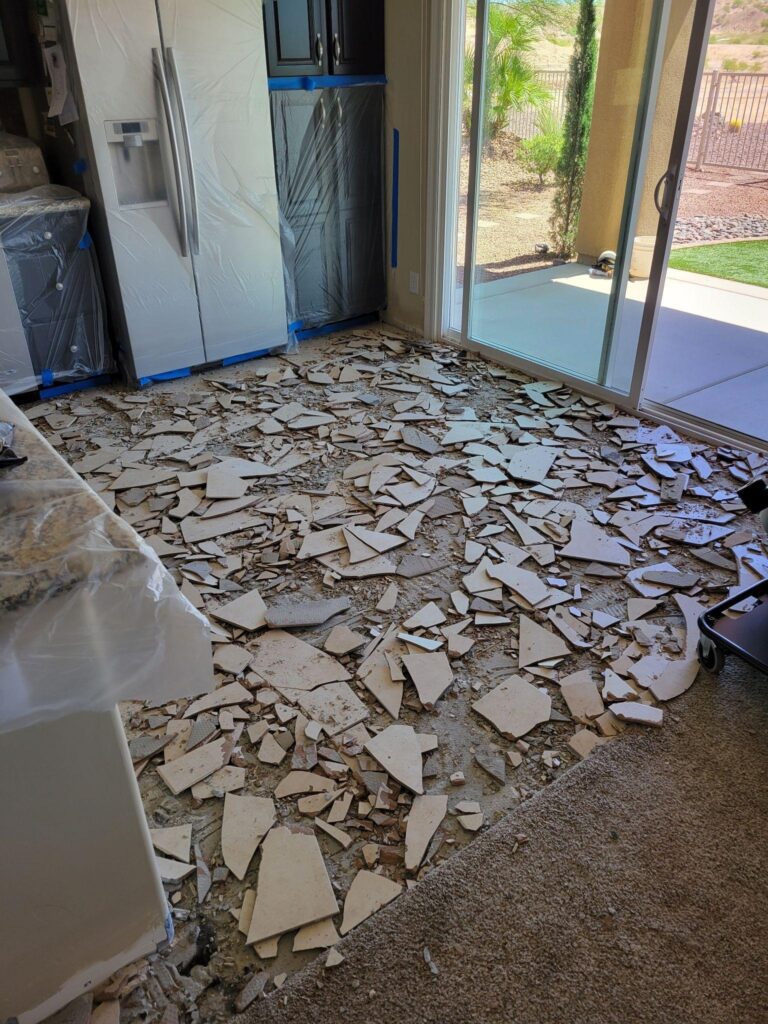
Next, the crew may remove flooring, tile, backsplash, countertops, wall coverings, ceiling materials, or other surface finishes. During interior demolition, this stage often creates dust and debris, so careful handling and cleanup are important.
Wall, built-in, or structural-adjacent tear-out
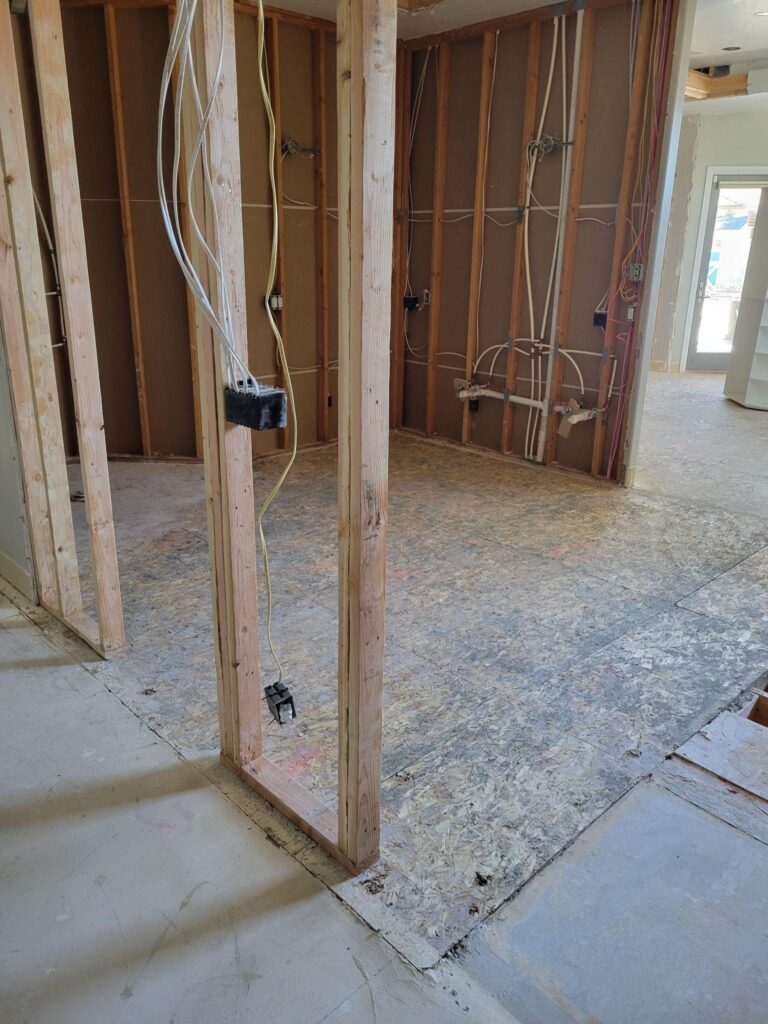
If the renovation calls for it, the crew may remove drywall, plaster, soffits, built-ins, or specific framing sections. Any work near structural elements, plumbing, electrical, or HVAC should follow the project scope and include extra planning.
Cleanup and handoff
The crew still has work to do after the last material comes out. Debris needs to be sorted, removed, hauled away, and cleaned up so the next trade can work safely and efficiently.
Interior demolition vs. exterior demolition
Both interior and exterior demolition remove materials, but they raise different concerns.
Interior demolition usually involves kitchens, bathrooms, flooring, tile, cabinets, drywall, fixtures, basements, or built-ins. Crews handle this work inside the home, so they need to plan around dust, access paths, nearby finishes, and occupied areas. A bathroom tear-out, for example, may require careful removal around plumbing, tile, moisture-damaged materials, and finished spaces nearby.
Exterior demolition may include siding, decks, patios, concrete, roofing sections, exterior finishes, detached structures, or damaged materials outside the home. This type of work often depends on access, weather, debris placement, landscaping, driveways, neighboring spaces, and exterior utilities.
The right approach depends on the project. Interior demolition focuses heavily on protecting finished living areas, while exterior demolition often requires careful site access and debris control. Both should follow a clear scope and support the next phase of renovation.
What homeowners should expect during the work
Homeowners should expect demolition to be active and disruptive, even when the crew keeps the work under control. Noise is normal. Crews may use saws, drills, pry bars, hammers, scrapers, and hauling equipment. Even selective removal creates vibration and sound in nearby rooms.
Dust is also common during home renovation demolition. Drywall, plaster, tile, flooring, concrete, and old adhesives all create dust during removal. A dust-conscious setup reduces spread, but it won’t remove every bit of dust from the process.
You should also expect crew movement in and out of the home, debris leaving through planned paths, and temporary loss of access to the work area. If the project involves a kitchen or bathroom, plan around limited use of sinks, appliances, showers, storage, or fixtures.
Exterior demolition may also affect driveways, walkways, yards, patios, or entrances while materials are removed and hauled away.
The space may look rough before it looks ready. That’s normal. Demolition opens the area, allowing repairs, framing, installation, or rebuilding to proceed with a clearer view of the site.
Common issues demolition uncovers
Demolition reveals hidden conditions behind finished materials. That doesn’t always mean something went wrong. It often gives the renovation team better information before new materials go in.
During interior demolition or exterior demolition, crews may uncover:
- Moisture damage behind tile, cabinets, flooring, drywall, siding, or trim
- Damaged subflooring
- Old plumbing or outdated wiring
- Previous patchwork or poor installation
- Framing concerns
- Weather damage or rot
- Pest damage
- Areas where water has been getting into the structure
A controlled process helps uncover these issues early so homeowners and contractors can address them before the remodel moves forward.
Why cleanup and haul-off shape the next phase
Cleanup is part of a successful demolition phase. After removing the materials, the crew clears the site and prepares it for the next trade.
A clean handoff helps by:
- Keeping access paths open
- Giving contractors room to measure, inspect, repair, and install
- Removing piles of tile, drywall, cabinets, siding, flooring, or other debris
- Making it easier to see what still needs attention
- Helping the site feel safer and more organized
- Reducing delays before the next phase begins
This is especially important when home renovation demolition involves both interior and exterior work. Indoor debris paths, outdoor loading areas, and haul-off plans should work together so the project is ready for what comes next.
How homeowners prepare for demolition
Homeowners don’t need to manage the demolition process, but a little prep can help the project move more smoothly.
Before work begins, take the following steps:
- Remove personal items, décor, toiletries, small appliances, furniture, and outdoor items near the demo area
- Plan around temporary access changes, especially for kitchens, bathrooms, entrances, or outdoor spaces
- Ask how the crew will protect floors, walls, walkways, and nearby finishes
- Confirm the debris removal path and loading area before work begins
- Ask the crew how they’ll handle interior demolition, exterior demolition, or both
- Keep children and pets away from the active work zone
- Ask what the site should look like after demolition is complete
- Confirm when the next trade inspection, repair, rebuild, or install is due
FAQ
How long does the demolition phase take during a renovation?
It depends on the space, materials, access, debris, and whether the project includes interior demolition, exterior demolition, or both. Smaller projects may move quickly, while larger projects usually take longer.
Should I stay home during demolition?
You can, but expect noise, dust, crew movement, and limited access to the work area. Plan ahead if the project affects a kitchen, bathroom, entrance, or main living space.
How much dust should I expect during home renovation demolition?
Dust is normal during home renovation demolition, especially with drywall, tile, flooring, plaster, cabinets, or concrete. Dust-conscious prep helps reduce spread, but it won’t eliminate all dust.
What should I remove before demolition starts?
Remove personal items, furniture, décor, food, toiletries, small appliances, rugs, wall art, and anything fragile near the work zone. For outdoor work, move patio furniture, tools, toys, and vehicles.
What happens after the demolition?
The crew should remove debris, haul materials away, clean the work area, and leave the site ready for the next phase. Other trades then inspect, repair, rebuild, or install.
Can demolition reveal hidden problems?
Yes. Demolition uncovers moisture damage, old wiring, plumbing issues, framing concerns, subfloor problems, previous repairs, or hidden exterior damage. Finding these issues early helps the renovation move forward with better information.
Prepare your renovation with Cutting Edge Demolition
The demolition phase should clear the way for better work to follow. Cutting Edge Demolition helps homeowners plan and complete home renovation demolition with controlled removal, site protection, debris haul-off, and cleanup built into the process.If you’re preparing for a remodel, repair, or rebuild, our team helps you remove what needs to go and leave the space ready for the next phase. Contact Cutting Edge Demolition to talk through your demolition scope and request a free estimate.