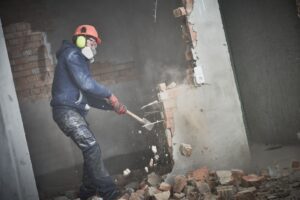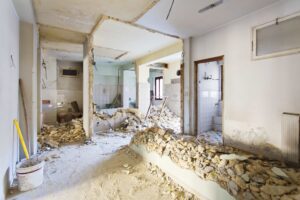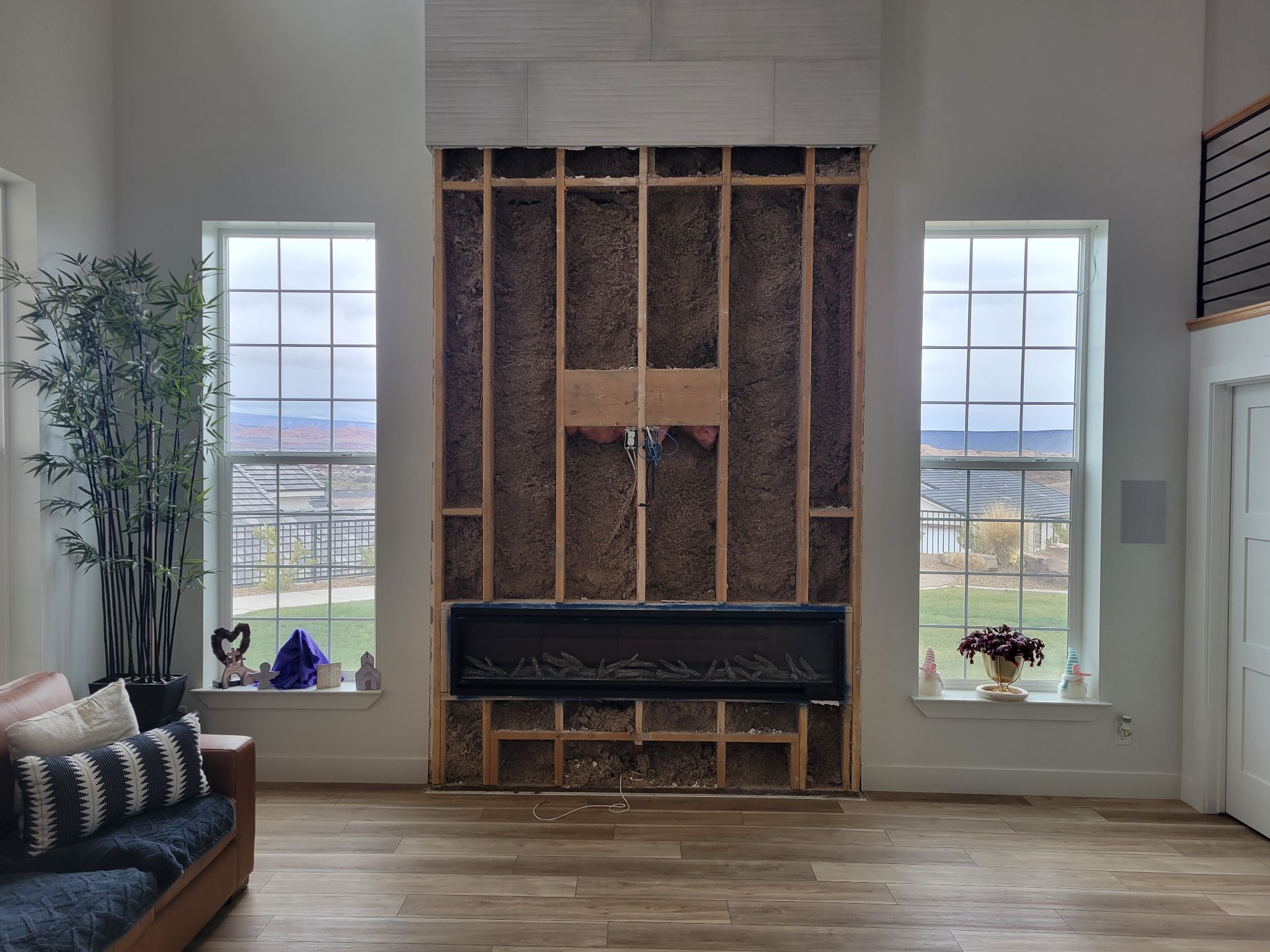
Professional fireplace removal clears out the parts that no longer fit the room or the remodeling plan. The work may stop at the surround and hearth, or it may continue into the firebox or chimney. A professional crew protects the surrounding space during removal. They also handle the debris, leaving the area ready for the next phase.
What is professional fireplace removal?
An outdated fireplace interrupts furniture placement or blocks a planned wall layout. It could also sit where a homeowner wants new cabinets or a wider opening. Brick may continue behind the wall, while a gas line may feed the firebox. Professional fireplace demolition helps homeowners define the scope of work before it begins. When tile covers the hearth or surround, dustless tile removal reduces fine debris during surface removal.
What does professional fireplace removal include?
The project may stop at the mantel and surrounding finish. A larger scope includes the hearth or firebox so that the wall can be rebuilt.
Full fireplace demolition can extend into the interior masonry or chimney. Some projects also reach above the roofline. Partial removal may leave masonry in place, but the remaining section still needs proper support.
The finished plan for the room helps define where demolition stops. A television wall may need a flat surface. New flooring could require the hearth to come out completely. If tile covers the surround, dustless tile removal makes that stage more controlled.
How does professional fireplace demolition work?
A contractor first evaluates the fireplace’s construction. They check how far the structure extends and whether it connects to the gas supply. The review may also reveal that another appliance uses part of the chimney.
Next, the contractor defines the removal boundary. A clear scope states what comes out and what remains. This detail helps prevent confusion after the wall opens.
The crew then prepares the room. They isolate the work area and protect nearby flooring. They also establish a debris route through the home.
Removal happens in controlled sections. The crew works inward and adjusts when hidden conditions appear. Dustless tile removal may be useful in the early stage, when tile covers the hearth or wall. Afterward, the team clears debris and leaves the space ready for the next trade.
Common fireplace removal projects
Removing an outdated tile surround
A tiled surround makes an otherwise usable fireplace feel dated. Dustless tile removal captures much of the dust near the point of removal. The wall beneath may still need repair before applying a new finish.
Taking out a raised hearth
A raised hearth interrupts the flooring and reduces usable floor space. The contractor needs to check the subfloor because the flooring may stop at the old hearth.
Creating a new wall layout
Some homeowners remove a fireplace to create a flat wall for storage or a television. Others need the space for a larger remodel. The demolition scope needs to match the new plan.
Removing part of a chimney
Partial chimney work requires careful review. Any masonry left in place may need additional support. The roof may also need repairs.
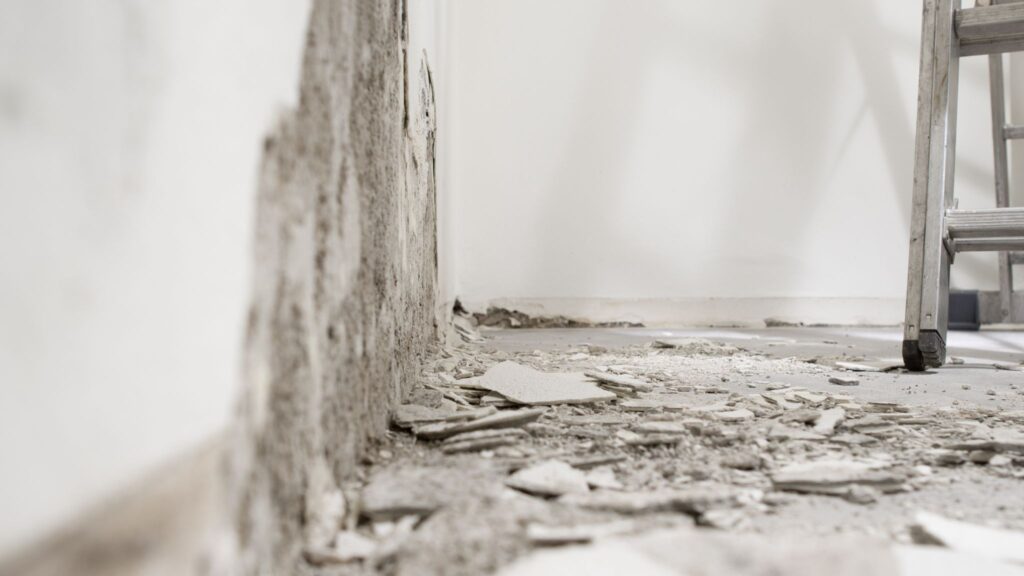
Benefits of hiring a professional
Professional fireplace demolition gives homeowners a clearer process from the start.
- A defined scope: The contractor identifies what the crew will remove, what will remain, and how they will leave the space afterward.
- Better protection for the room: The crew prepares the work area before demolition begins and protects nearby flooring and finishes.
- A planned debris route: The crew moves heavy masonry through the home along a protected path. Our team plans that route before removal starts.
- Easier trade coordination: A licensed gas professional disconnects the line before demolition. A structural engineer may also need to review any masonry that will remain.
- A cleaner handoff: The demolition crew clears the debris, leaving the space ready for framing, flooring, or the next phase of the remodel.
Common fireplace removal mistakes
- Starting before checking gas or vent connections
- Assuming the visible surround shows the full structure
- Removing lower masonry without reviewing what remains above
- Forgetting that the flooring may stop at the hearth
- Assuming demolition includes complete restoration
- Expecting dustless tile removal to control brick or mortar dust
- Failing to confirm debris haul-off in the estimate
Most of these problems start with an unclear scope. A written plan helps the homeowner and contractor agree on the work before demolition begins.
What affects cost and timing?
Several project details change the estimate and schedule.
- Removal scope: Surface-level fireplace removal usually takes less time than a project that reaches the firebox, interior masonry, or chimney.
- Material type: Brick and stone create heavy debris. That weight increases labor and disposal needs.
- Access through the home: A fireplace near an exterior door gives the crew a shorter debris route. Stairs or narrow hallways slow down the work.
- Utility coordination: A licensed gas professional disconnects and caps the gas line before demolition begins.
- Roof work: Removing a chimney above the roofline may require additional framing and weatherproofing.
- Structural review: Any remaining masonry may need professional evaluation or additional support.
- Finish expectations: Demolition with cleanup costs less than a project that also includes rebuilding and finishing work.
Tools and professionals involved
Fireplace removal may require several professionals, depending on the scope of work.
- Demolition contractor: Handles controlled removal, debris management, and cleanup.
- Licensed gas professional: Disconnects and caps the gas line before demolition begins.
- Structural engineer: Reviews the remaining masonry and determines whether it needs additional support.
- Roofer: Closes and weatherproofs the roof opening after exterior chimney removal.
- Material-testing specialist: Tests older finishes or insulation before demolition disturbs unknown materials.
The crew may also use:
- Floor protection: Helps prevent damage to the work area and debris from the route.
- Containment barriers: Keep dust and debris from spreading into nearby rooms.
- Masonry tools: Support careful removal of brick, stone, and mortar.
- Debris containers: Keep removed materials organized and ready for haul-off.
Frequently asked questions
Can you remove a fireplace without removing the chimney?
Sometimes. The system’s construction determines whether part of the chimney can remain. A contractor may need to support the remaining masonry and seal the unused opening.
How long does the work take?
The type of fireplace and the amount of material determine the project timeline. Interior access also affects the schedule. Full chimney work usually takes longer because it may include roof repairs.
Is the process always messy?
Masonry creates dust and debris, but professional preparation keeps the work more controlled. Crews isolate the area and protect nearby surfaces. They also clean as the project moves forward.
Can professionals use dustless tile removal around a fireplace?
Yes. It works well for many tiled hearths and surrounds. It captures much of the dust created during tile removal, but it doesn’t replace containment during brick or mortar work.
Do I need a permit?
Permit requirements depend on the location and scope. Structural changes or chimney removal may require approval. Check local requirements before work begins.
Who should remove a fireplace?
Call a professional once the work reaches masonry or a gas connection. Professional help also makes sense when removal affects framing or is part of the chimney.
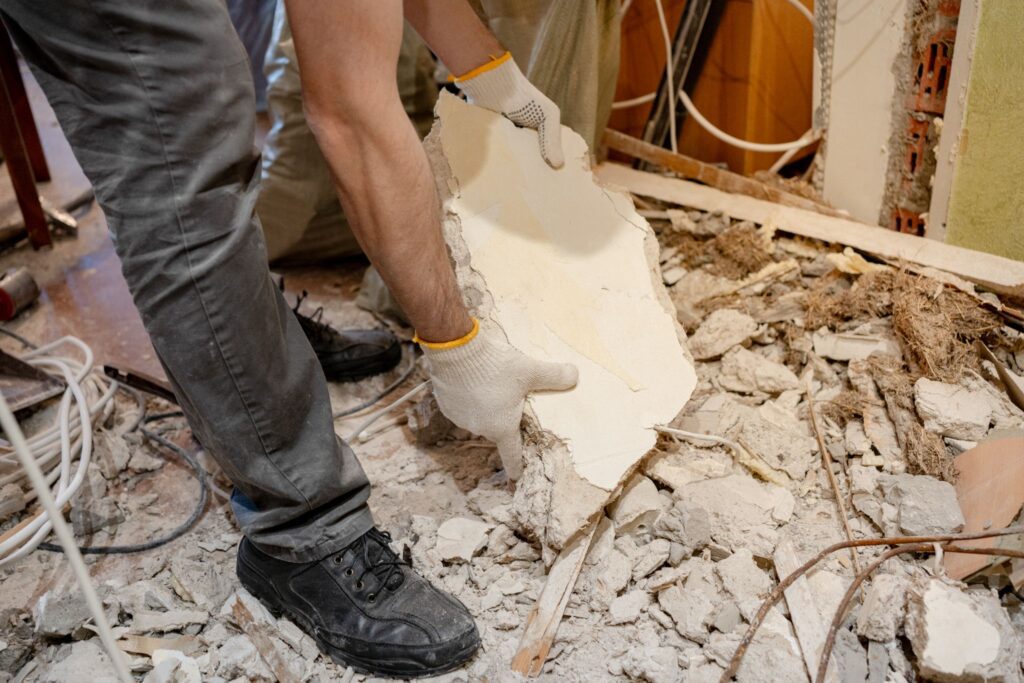
Prepare the room for the next phase with Cutting Edge Demolition
Cutting Edge Demolition handles fireplace demolition with a clear scope and controlled process. Our team manages debris and leaves the space ready for the next trade. Contact us to discuss your project and request a free estimate.