Small commercial demolition should support the subsequent remodel. Business owners need a clear scope of work before the work starts. They also need a plan for cleanup and the next contractor. The right demolition plan protects areas that will stay while giving the remodel team a cleaner starting point.
Why demolition planning matters before a commercial remodel
A small business remodel often starts with removal. Old flooring may need to come up before new materials go down. Interior walls may need to come out before a new layout takes shape. That makes demolition part of the remodel schedule rather than a separate project.
The decisions made during demolition may affect how quickly other trades begin and how much additional work the remodel requires. A clear scope also helps business owners avoid paying for unnecessary removal.
For most owners, demolition is the first step toward getting the space ready for the remodel that follows. The work should create a clear path into the next phase. A clear demolition plan also gives the remodel team a better idea of when they will gain access to the space. That matters when a business has a target reopening date or another contractor waiting to begin.
What small commercial demolition includes
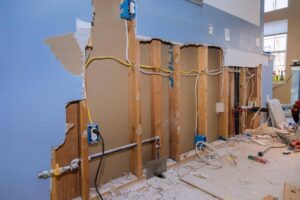
Small commercial demolition typically focuses on a specific area within an existing space. A restaurant may need an old service counter removed before a new layout goes in. An office may need a few nonstructural walls taken out to create a different floor plan.
Small commercial demolition services may also include flooring removal or selective interior tear-out. The exact scope depends on what the remodel calls for.
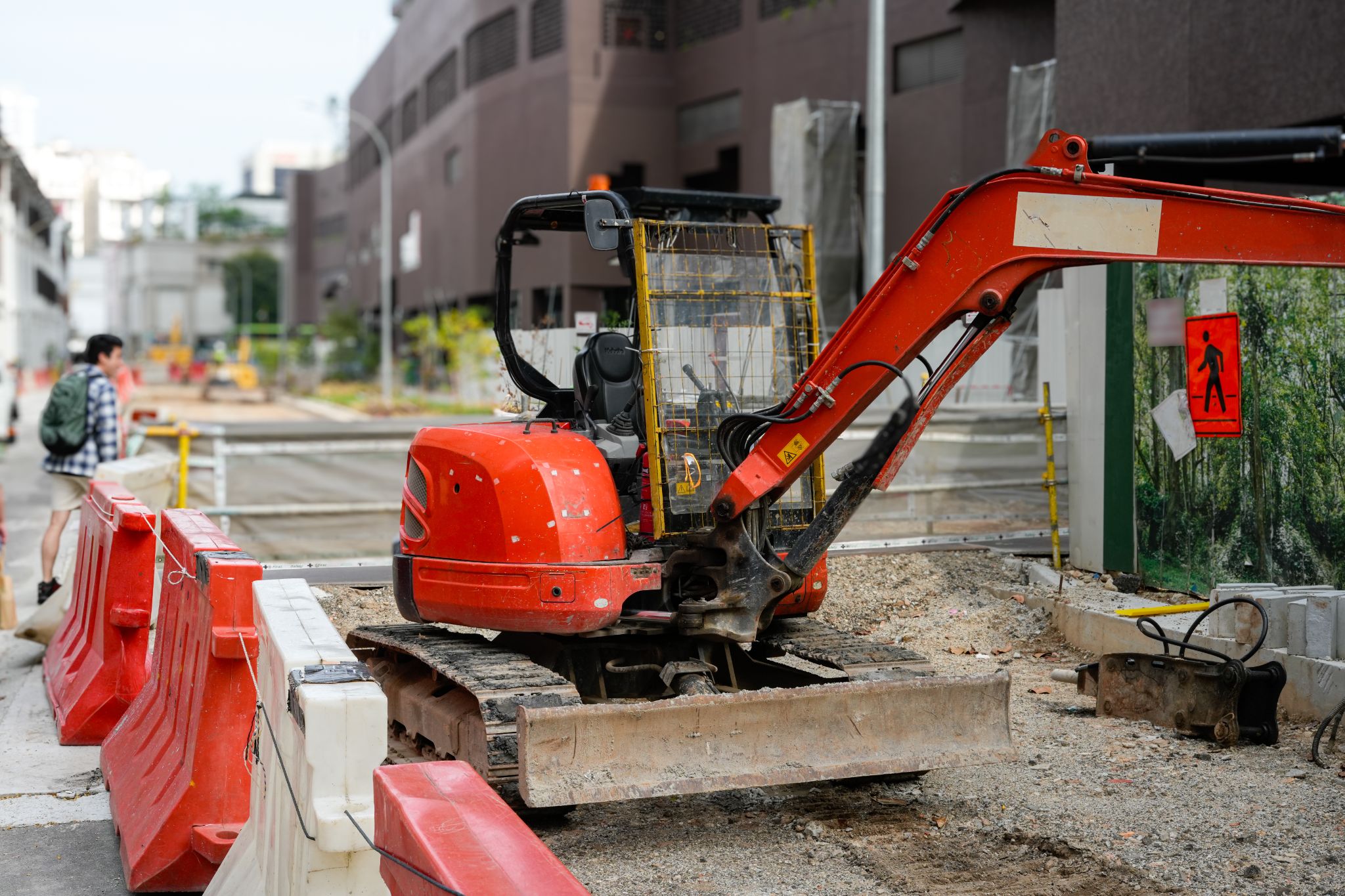
Business owners sometimes search for commercial building demolition when they really need interior removal rather than a complete teardown. Full commercial building demolition removes a structure. Selective interior work removes only the materials that obstruct the remodel. A small remodel usually depends on precision, so the crew needs to follow the plans closely.
The scope may also change from one type of business to another. A retail remodel may focus on display areas or built-in features. An office project may center on partitions or flooring. The important part is matching the removal to the new layout rather than clearing more space than the remodel requires.
How to plan demolition around the remodel
The remodel plan should guide the scope of demolition. Start with what the finished space needs, then work backward to determine what must come out before construction begins.
Confirm what stays
A small commercial remodel often keeps part of the existing property. The business may leave one room untouched while updating another area.
The demolition crew needs a clear boundary between those spaces. That helps protect floors or finishes that the remodel will reuse.
Coordinate with the next trade
Ask the remodeling contractor which areas they need exposed before their work begins.
An electrician may need access behind a wall. A flooring contractor may need the old material removed down to a specific surface.
Define cleanup before work starts
Demolition ends more smoothly when everyone agrees on the handoff.
Ask whether the contractor will remove debris from the property and what level of cleanup the quote includes. The next trade shouldn’t arrive and discover that the tear-out work still blocks the area.
Small commercial demolition services work best when the contractor understands where the remodel needs to go next.
Examples of demolition in small commercial spaces
Many small business remodels change one part of a space without stripping everything back. Common examples include:
- Removing a wall to open an office layout
- Taking out old flooring before new flooring installation
- Clearing built-in fixtures from a retail space
- Removing outdated finishes before a restaurant update
- Opening part of a wall so another trade has access
Each project needs a defined stopping point.
For example, removing flooring doesn’t always mean removing every layer beneath it. The flooring contractor may need the crew to leave a specific surface in place. The demolition contractor should know that before removal starts.
The same principle applies to walls. A remodel may call for one wall to come out while nearby finishes remain. A careful demolition plan follows those boundaries rather than treating the room as a single large tear-out zone.

Benefits of a clear demolition scope
A clear scope gives the remodel team a shared starting point. It helps everyone understand what the demolition crew will remove and what the next contractor should expect.
- Protects what stays: Selective demolition gives the crew a defined work area, which helps prevent unnecessary removal.
- Supports a smoother construction sequence: The next contractor gets the space in the condition they need without another round of tear-out.
- Makes estimates easier to compare: A detailed scope shows what each contractor includes, so business owners compare more than the final price.
- Creates a cleaner handoff: The demolition phase ends where the next phase begins, helping keep the remodel moving.
- Reduces avoidable reconstruction: A precise scope helps preserve parts of the property that still fit the new design.
Common mistakes business owners should avoid
Many demolition problems arise before the first material gets removed, so business owners should address key questions early.
- Starting demolition before the remodel plan is clear: Removing materials too early may create extra work. The remodel design should guide the demolition scope from the start.
- Assuming cleanup comes with every quote: Contractors may define cleanup differently. Ask what the crew will haul away and how they will leave the space.
- Focusing only on the demolition price: A lower estimate may leave more work for the next contractor. Compare the scope behind the price instead of looking only at the total.
- Forgetting about business operations: Noise or limited access may affect the business during the project. Build those concerns into the schedule before work starts.
- Overlooking approval requirements: Tenants may need the property owner’s approval before demolition begins. Local permit requirements may also affect the project.
What affects demolition cost and timing?
Business owners often want a simple price or timeline, but the scope of the work gives a much clearer picture. Several project details may affect both:
- Amount of material: More removal usually means more labor and more debris to haul away.
- Site access: Tight hallways or shared entrances may slow down the work.
- Debris removal: Longer haul routes may add time to the project.
- Business operations: Keeping part of the space open may require a different work schedule.
- Project preparation: Some spaces need extra setup before demolition begins.
- Next-phase coordination: The demolition schedule should align with the contractor who will start the remodel afterward.
The materials in the work area also influence the scope. Removing carpet from an open room differs from taking out tile or built-in features. Layers from previous remodels may add more removal than the owner expects from a quick walkthrough.
Commercial building demolition follows a different cost structure from selective interior removal because the scope is much larger. For a small remodel, ask for an estimate based on the actual work rather than a broad square-foot average.
Access also deserves attention when you discuss timing. A crew working near an exterior exit may move debris differently from a crew working deep inside a shared building. The most useful estimate reflects how the crew will actually move through the property.
Tools and information to have ready before requesting an estimate
A contractor gives a more useful estimate when the owner provides a clear picture of the project.
You don’t need a perfect construction package before making the first call. A few items help the contractor understand the work:
- Photos of the work area
- Basic remodel plans, if you have them
- A list of materials or features that need removal
- Notes about areas that need protection
- Information about access to the space
- The target construction schedule
If you lease the space, bring any property requirements that affect alterations.
Photos should show more than the materials you want removed. Include the route crews will use to move debris out of the building when possible. That extra context helps the contractor understand access and plan the work around the property.
These details help the contractor understand the scope without having to guess. Small commercial demolition services also become easier to price when the contractor clearly sees the project boundaries.
Frequently asked questions
How much does demolition cost for a small commercial space?
Pricing depends on the extent of removal and the property’s conditions. Access may also affect labor, so an on-site estimate usually provides more value than a generic square-foot number.
How long does demolition take in a small commercial space?
The timeline depends on the scope and how easily crews are able to move through the site. The contractor should also coordinate the finish date with the next phase of the remodel.
Does demolition include cleanup?
Some contractors include debris haul-off and cleanup in the quote, while others separate those services. Ask for a clear scope so you know what the contractor will leave behind.
Do I need landlord approval before demolition?
If you lease the property, confirm the scope of the remodel with the owner or property manager before work starts. Your lease may include rules for alterations.
Does commercial building demolition always mean a full teardown?
No. People often use the phrase while researching several types of commercial removal. A full teardown removes the structure, while selective demolition focuses on specific parts of an existing property.
When should the next contractor start after demolition?
The next phase should begin once the crew finishes the approved removal and clears the work area for the next trade. Good coordination helps prevent downtime between phases.

Start the remodel with a clear demolition plan
A commercial remodel starts more smoothly when the demolition scope follows the finished plan. Business owners should know what needs to come out and what the crew needs to protect. They should also understand how cleanup fits into the handoff. That approach keeps removal focused on the next phase instead of treating demolition as the end goal.
If you are planning a commercial remodel, Cutting Edge Demolition will help you define the scope and prepare the space for the work ahead. Contact our team to schedule a free estimate and talk through your project.